Saturated Ground Tree Failure | Warren NJ Tree Care Company Explains
Did you know tree failures often happen *weeks* after the storm ends, not during it? If you’ve recently experienced heavy rain in Warren, your trees might be silently destabilizing right now—and there are specific warning signs homeowners miss.
Key Takeaways:
- Saturated soil from heavy rainfall weakens tree root systems by depriving them of oxygen and reducing their grip in muddy, unstable ground
- Tree failures often occur days or weeks after storms end, making post-rainfall monitoring crucial for homeowner safety
- Warning signs include visible leaning, soil heaving around the base, exposed roots, and trunk cracks that require immediate professional assessment
- Trees with shallow root systems and large canopies face the highest risk during saturated ground conditions
- Proper drainage improvements and regular arborist inspections can prevent most saturated ground tree failures
Heavy rainstorms create a hidden danger that many Warren homeowners overlook: saturated ground conditions that dramatically increase the risk of tree failure and uprooting. While the immediate storm damage might seem obvious, the real threat often develops in the days and weeks following severe rainfall events.
Why Saturated Ground Causes Tree Failures
Saturated soil fundamentally changes how trees remain anchored to the ground. When heavy rainfall oversaturates the earth around a tree’s root system, the soil loses its structural integrity and becomes muddy and unstable. This dramatic shift means tree roots lose their firm grip, making even large, established trees vulnerable to toppling.
The problem goes deeper than simple soil softening. Prolonged soil saturation deprives tree roots of oxygen, triggering a cascade of problems that weaken the entire tree structure. Root decay begins as waterlogged conditions prevent normal root respiration, compromising the tree’s ability to absorb water and nutrients effectively. Warren tree service professionals at Sage Tree Experts regularly respond to these complex failure scenarios throughout Somerset County’s heavily wooded properties.
Additionally, the drought-deluge cycle common in New Jersey places cumulative stress on both root systems and soil structure. Periods of dry soil followed by sudden heavy rainfall create conditions that significantly increase the likelihood of tree failure, as root systems struggle to adapt to rapidly changing moisture levels.
Warning Signs After Heavy Rainfall
1. Visible Leaning and Soil Changes
The most obvious warning sign of an unstable tree after heavy rain is a noticeable lean that wasn’t present before the storm. Even a slight change in a tree’s angle indicates potential root system compromise. Equally important are changes in the soil around the tree base, particularly cracking or heaving soil that suggests underground root movement.
Homeowners should look for fresh soil mounds or depressions around the tree base, which often indicate that roots have shifted or broken underground. These soil disturbances frequently appear before the tree shows visible leaning, making them crucial early warning indicators.
2. Root and Trunk Damage
Exposed or broken roots visible above ground level signal serious structural compromise. During saturated ground conditions, root systems can snap under the tree’s weight or pull free from softened soil. Similarly, visible cracks in the trunk, especially those that appear after heavy rainfall, indicate internal stress that could lead to complete failure.
Root plate lifting is another critical warning sign, where the entire base of the tree begins separating from the surrounding soil. This condition typically requires immediate professional intervention to prevent sudden collapse.
3. Delayed Collapse Risk
Tree failures often occur days or even weeks after heavy rainfall has ceased, creating ongoing risk that many property owners underestimate. Saturated soils can remain unstable for extended periods, and subsequent winds or even routine lawn irrigation can trigger a delayed collapse of a compromised tree.
This delayed failure pattern makes post-storm tree assessment particularly important. Trees that survived the initial storm may still pose significant risks until soil conditions fully stabilize and root systems recover their anchoring strength.
Which Trees Face Greatest Risk
Shallow Root Systems
Trees with shallow root systems are inherently more susceptible to uprooting in saturated soil conditions because their roots lack the deep anchorage required for stability during ground saturation events. Species commonly found in Warren that exhibit shallow rooting patterns include many maple varieties, birch trees, and some ornamental species.
Compacted soil compounds this vulnerability by reducing the air space necessary for healthy root growth, forcing roots to grow closer to the surface. This surface-heavy root distribution makes trees significantly more vulnerable to falling when the ground becomes oversaturated and loses structural integrity.
Large Canopy Trees
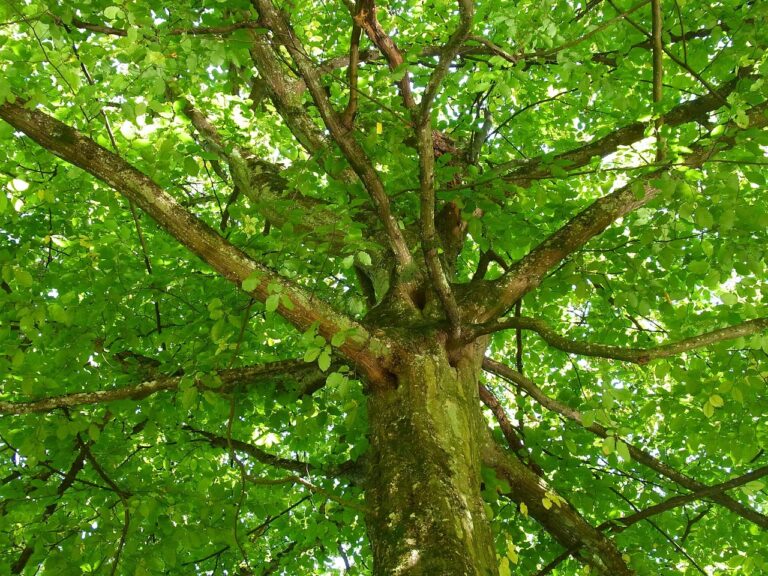
Trees with large, dense canopies face increased toppling risk when ground conditions become saturated. The extensive leaf and branch structure acts like a sail during windy conditions, creating tremendous leverage against weakened root systems that can no longer provide adequate anchoring.
Mature oaks, large maples, and established evergreens with substantial canopies represent particular concerns during saturated ground periods. Their size and weight, combined with increased wind resistance, can overwhelm root systems that are already struggling in compromised soil conditions.
Warren’s Tree Service Challenges
Sloped and Heavily Wooded Properties
Warren’s location between the Watchung Mountain ridges creates unique challenges for tree stability during saturated ground events. The township’s characteristic sloped terrain accelerates water runoff and creates areas of concentrated moisture that can destabilize even well-established root systems.
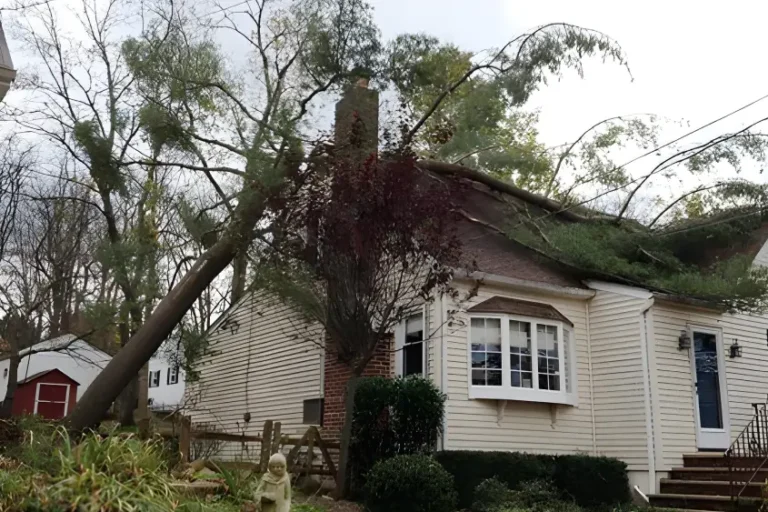
Many Warren properties feature mature, tree-lined landscapes with aging oaks, maples, ash trees, and evergreens that have grown for decades on these challenging terrains. The combination of slope, mature tree size, and soil saturation creates perfect conditions for significant tree failures that can damage homes, block access routes, and create ongoing safety hazards.
Emergency Tree Removal Cases
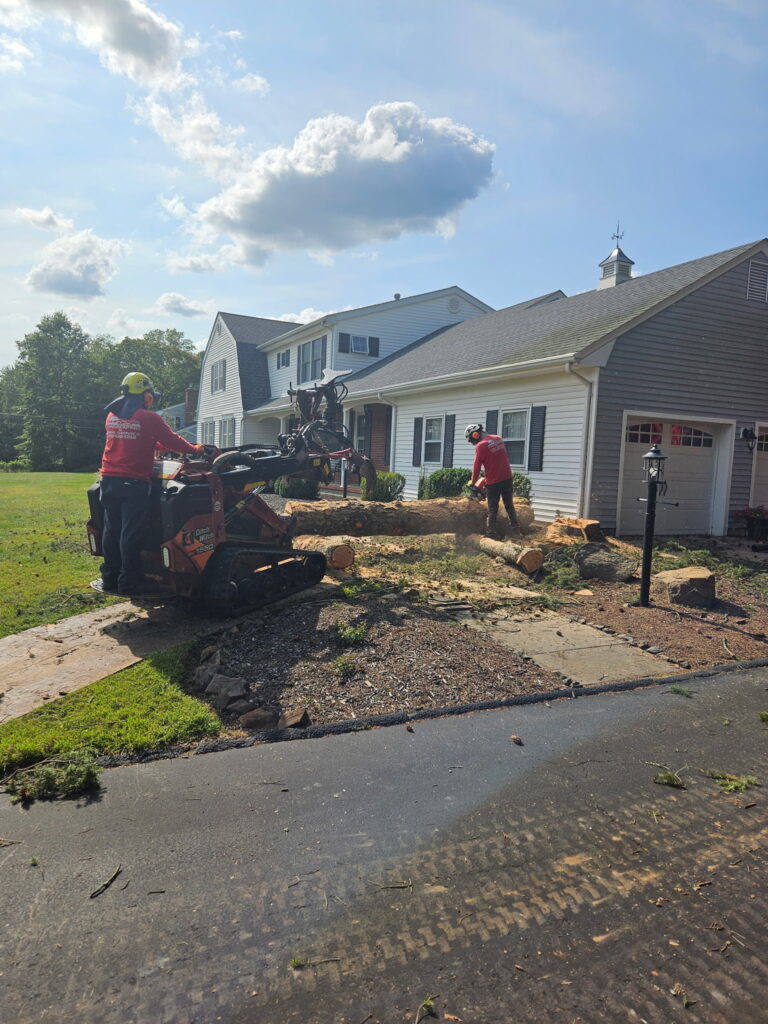
Recent weather events have caused numerous incidents of fallen trees blocking driveways and causing widespread power outages across Somerset County, including in Warren. Emergency tree removal services become critical after these severe weather events, requiring specialized equipment and expertise to safely remove fallen or dangerously leaning trees while minimizing further damage to properties and surrounding infrastructure.
Emergency Response and Prevention
1. Improve Yard Drainage
Homeowners can proactively protect their trees by implementing drainage improvements that prevent soil oversaturation. Effective strategies include regrading problem areas to improve water flow, incorporating organic matter like compost to improve soil structure, and installing French drains in areas prone to standing water.
Proper drainage systems redirect excess water away from critical tree root zones, maintaining soil stability even during heavy rainfall events. These improvements require upfront investment but provide long-term protection for valuable landscape trees and property safety.
2. Schedule Regular Arborist Inspections
Regular inspections by certified arborists represent preventative measures that can identify potential risks before they become emergency situations. Professional assessments evaluate tree health, root system integrity, and structural soundness while recommending specific maintenance strategies.
Proper pruning techniques can improve tree structure and reduce wind resistance, helping trees better survive saturated ground conditions. Professional arborists understand which branches to remove to optimize weight distribution and minimize stress on root systems during challenging weather events.
3. Professional Tree Assessment
Professional tree assessment becomes particularly important following any severe weather event that creates saturated ground conditions. Certified arborists can identify subtle signs of instability that homeowners might miss, providing expert evaluation of whether trees pose immediate risks or require ongoing monitoring.
These assessments often include soil analysis, root system evaluation, and structural integrity testing that helps property owners make informed decisions about tree retention, removal, or additional stabilization measures.
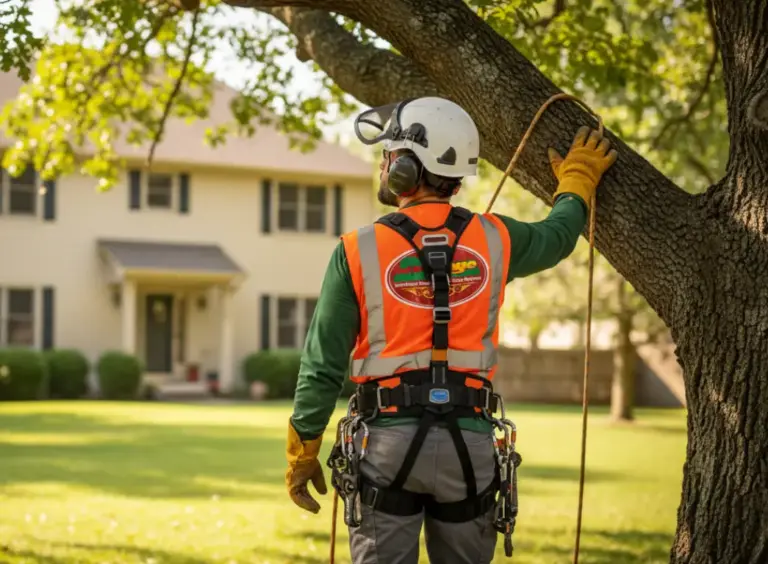
Sage Tree Experts Provides 24/7 Emergency Tree Service in Warren
When saturated ground conditions create tree emergencies in Warren, immediate professional response becomes necessary for property protection and family safety. Emergency tree services must quickly assess hazards, safely remove fallen debris, and stabilize dangerous trees before they cause additional damage.
Professional emergency response teams bring specialized equipment, safety protocols, and expertise needed to handle complex tree failures in challenging conditions. Their rapid response capabilities help minimize property damage while restoring safe access to affected areas throughout Somerset County’s heavily wooded neighborhoods.
The combination of Warren’s terrain, mature tree population, and New Jersey’s severe weather patterns creates ongoing risks that require professional monitoring and maintenance. Property owners who invest in preventative care and establish relationships with qualified tree service providers are better positioned to protect their homes and landscapes from saturated ground tree failures.
For tree care and 24/7 emergency response in Warren and throughout Somerset County, contact Sage Tree Experts to protect your property with professional arboricultural services.