Tree Removal: Central NJ Tree Care Company Explains Necessity Indicators
That leaning tree in your yard might be more dangerous than you think. If it’s tilted more than 15 degrees, you could be facing root failure that leads to catastrophic collapse—and New Jersey municipalities have strict removal requirements most homeowners don’t know about.
Key Takeaways
- Trees leaning more than 15 degrees from vertical position require immediate professional assessment due to root damage or instability
- Visible decay, fungal growth, or mushrooms at the tree base indicate internal rot and compromised structural integrity
- Storm damage including trunk splits, broken limbs, or soil displacement around roots often necessitates emergency tree removal
- New Jersey municipalities require permits for most tree removals, with specific regulations varying by location
- Certified arborists provide necessary expertise for safety assessments and local permit requirements
Homeowners across Central New Jersey face difficult decisions when beloved trees show signs of decline or damage. Understanding when tree removal becomes necessary protects both property and family safety while preserving the landscape’s health and beauty.
5 Critical Warning Signs Your Tree Needs Immediate Removal
Tree removal decisions should never be taken lightly, but certain warning signs demand immediate attention. Sage Tree Experts emphasizes that recognizing these indicators early can prevent catastrophic failures that endanger lives and property. The most urgent signs include severe structural damage, widespread decay, dangerous leaning, major storm damage, and significant canopy loss.
Professional evaluation becomes critical when any of these warning signs appear. Trees displaying multiple symptoms simultaneously pose exponentially higher risks, requiring swift action to prevent potential disasters. Environmental stresses often compound these issues, accelerating the timeline for necessary removal decisions.
Structural Damage That Compromises Tree Safety
1. Severe Trunk Cracks and Split Formation
Deep vertical cracks and splits in tree trunks represent serious structural compromises that can lead to complete failure. These fractures often develop from severe weather events, lightning strikes, or internal decay processes. Trunk splits extending more than halfway through the diameter indicate imminent failure risk. Ice storms and high winds frequently cause these dangerous formations, particularly in older trees with weakened wood fibers.
Multiple cracks appearing simultaneously suggest systemic structural problems requiring immediate professional assessment. Trees with circumferential cracks around the trunk pose extreme hazards, as complete separation can occur without warning during normal weather conditions.
2. Trees Leaning More Than 15 Degrees Require Assessment
Sudden leaning often signals root system failure or soil instability beneath the tree. Any tree leaning more than 15 degrees from its natural vertical position needs immediate professional evaluation. Gradual leaning over years may indicate normal growth patterns, but rapid changes suggest dangerous root damage or shifting soil conditions.
Root damage from construction activities, prolonged drought, or flooding frequently causes sudden leaning. Trees near driveways, sidewalks, or building foundations face higher risks due to soil compaction and restricted root growth patterns.
3. Root System Instability and Soil Displacement
Visible root exposure, soil lifting, or ground cracking around the tree base indicates serious stability problems. Newly exposed roots that were previously buried suggest the rootball is shifting and losing its anchoring capacity. Construction damage, changes in drainage patterns, or severe weather can destabilize root systems, creating immediate safety hazards.
Mushrooms or fungal growth near the root zone often accompany root system decline, indicating internal decay that weakens the tree’s foundation. Soil mounding around the base or obvious root heaving signals that the tree may topple during the next significant weather event.
Storm Damage Assessment and Emergency Removal
High Wind and Lightning Strike Damage
Severe weather events create immediate hazards requiring rapid response and professional assessment. High winds can snap major branches, split trunks, or completely uproot trees, while lightning strikes often cause internal damage that may not be immediately visible. The 2011 Connecticut storms resulted in estimated economic losses ranging from $1 billion to over $3 billion, with fallen trees causing substantial damage to power lines and widespread power outages.
Ice accumulation adds tremendous weight to branches, causing catastrophic failures even in healthy trees. Tornado-force winds can twist tree trunks, creating spiral fractures that compromise structural integrity throughout the entire tree.
When Professional Emergency Response is Required
Emergency tree removal becomes necessary when trees threaten immediate safety or block critical infrastructure. Fallen trees across roadways, driveways, or power lines require immediate professional intervention to restore access and prevent additional hazards. Trees with large broken branches hanging precariously overhead pose extreme risks to people and property below.
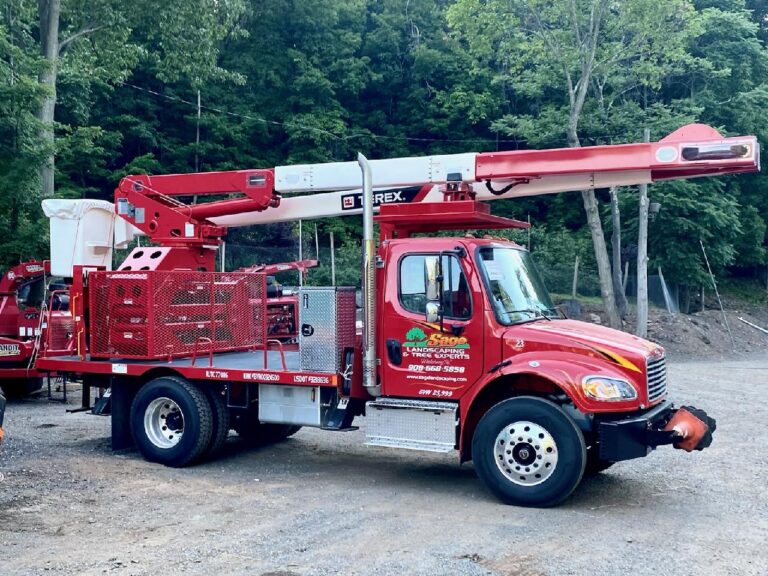
Professional emergency response teams possess specialized equipment and training to safely remove damaged trees in hazardous conditions. Attempting DIY removal of storm-damaged trees often leads to additional injuries and property damage due to unpredictable failure patterns.
Environmental Stress and Tree Health Decline
1. Visible Decay and Fungal Growth
Mushrooms, fungi, or other growths appearing on tree trunks or root zones indicate internal decay processes that weaken structural integrity. Fungal fruiting bodies visible on the exterior represent widespread internal rot that may have progressed for years. Common fungal indicators include bracket fungi, mushrooms at the base, or soft, spongy areas on the trunk.
Internal decay often begins in wound sites where branches were removed improperly or where mechanical damage occurred. Advanced decay creates hollow sections within the trunk, dramatically reducing the tree’s ability to withstand wind loads and normal stresses.
2. Canopy Loss and Branch Drop Patterns
Widespread canopy loss during the growing season signals severe health decline requiring attention. Random branch dropping can indicate underlying issues within the tree’s structure. Healthy trees shed only dead or damaged branches, while declining trees drop living branches as internal systems fail.
Seasonal leaf development patterns provide important health indicators. Trees failing to produce normal foliage, developing leaves late in spring, or losing leaves prematurely often face irreversible decline requiring removal to prevent hazardous failures.
3. Construction and Soil Compaction Effects
Construction activities frequently damage root systems through soil compaction, grade changes, or direct root cutting. Heavy machinery compacts soil, reducing oxygen availability and water infiltration needed for root health. Grade changes that bury existing roots or expose previously protected roots often trigger rapid decline in mature trees.
Chemical contamination from construction materials, road salt, or petroleum products can poison root systems, leading to gradual decline and eventual removal necessity. Trees showing decline symptoms following nearby construction activities require professional evaluation to assess recovery potential.
New Jersey Municipal Tree Removal Regulations Vary by Location
Most New Jersey municipalities require permits for tree removal, particularly for trees exceeding specific diameter thresholds. Permit requirements vary significantly across different townships and counties, with some areas requiring approval for trees as small as 6 inches in diameter. Homeowners must research local ordinances before beginning any tree removal project to avoid potential fines and legal complications.
Emergency situations involving immediate safety hazards typically allow for removal without prior permits, but documentation and follow-up reporting may still be required. Protected species, trees in historic districts, or specimens exceeding certain size thresholds often face additional restrictions and approval processes that can take weeks or months to complete.
Choose Certified Arborists for Professional Tree Assessment in Central NJ
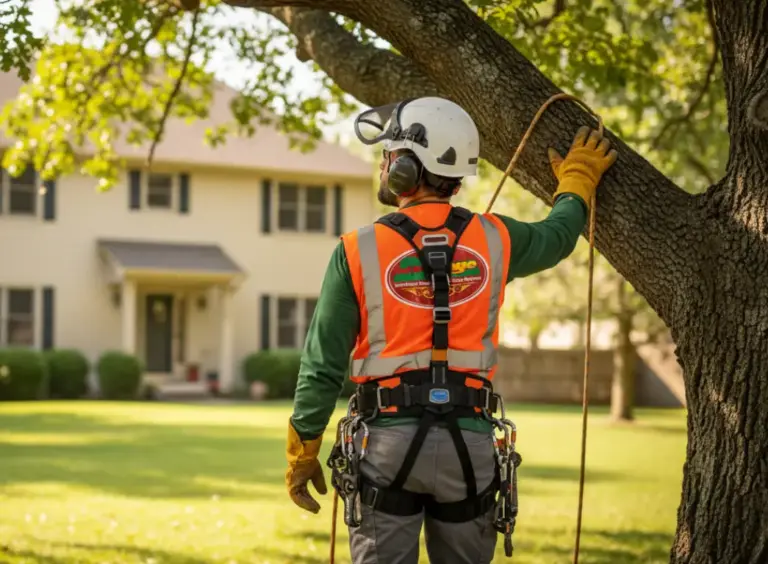
Certified arborists possess specialized training and equipment necessary for accurate tree health assessments and safe removal procedures. Professional evaluation determines whether removal is truly necessary or if alternative treatments might preserve the tree while addressing safety concerns. Certified professionals understand local regulations, permit requirements, and proper removal techniques that protect surrounding landscape and structures.
Attempting tree removal without proper expertise often results in property damage, personal injury, and legal liability. Professional arborists carry appropriate insurance coverage and follow industry safety standards that protect both workers and property owners throughout the removal process. They also provide valuable guidance on replacement planning and landscape restoration following removal.
For expert tree assessment and safe removal services in Central New Jersey, contact Sage Tree Experts at https://sagetree-experts.com/ to schedule a professional evaluation of your property’s trees.